
blog

AI + BIM + Digital Twins

AI + BIM + Digital Twins: The Future of Smart Construction in 2026

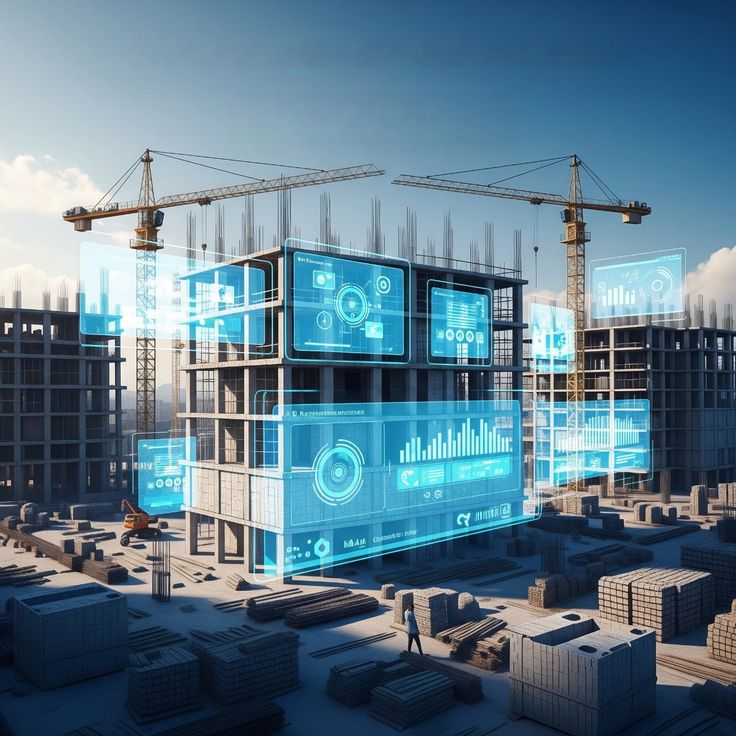
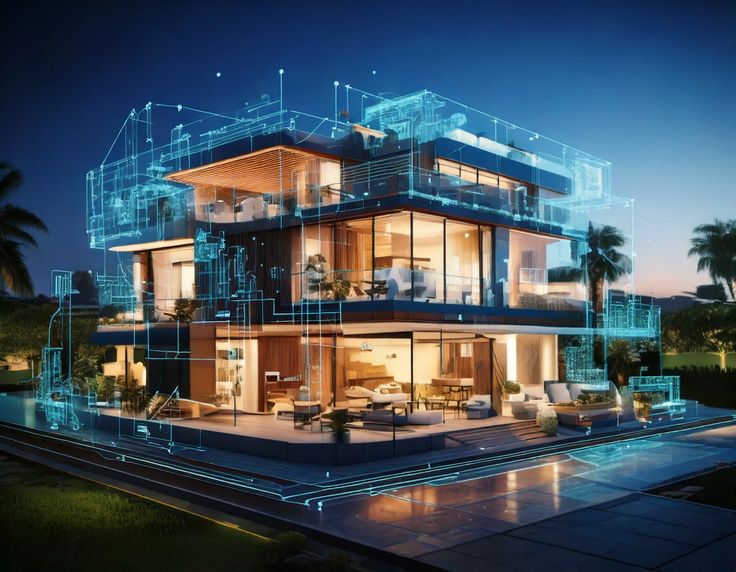
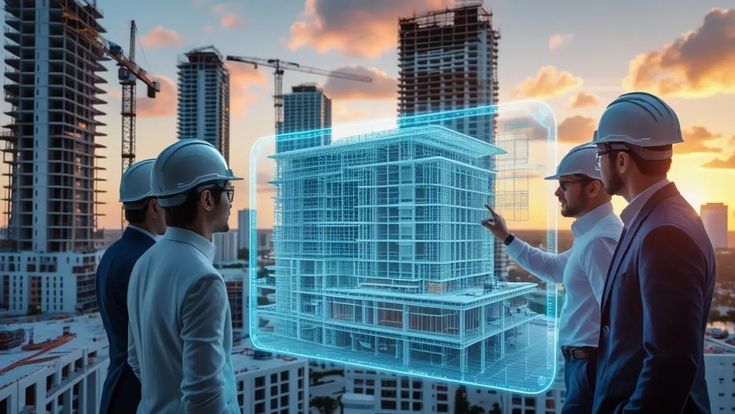
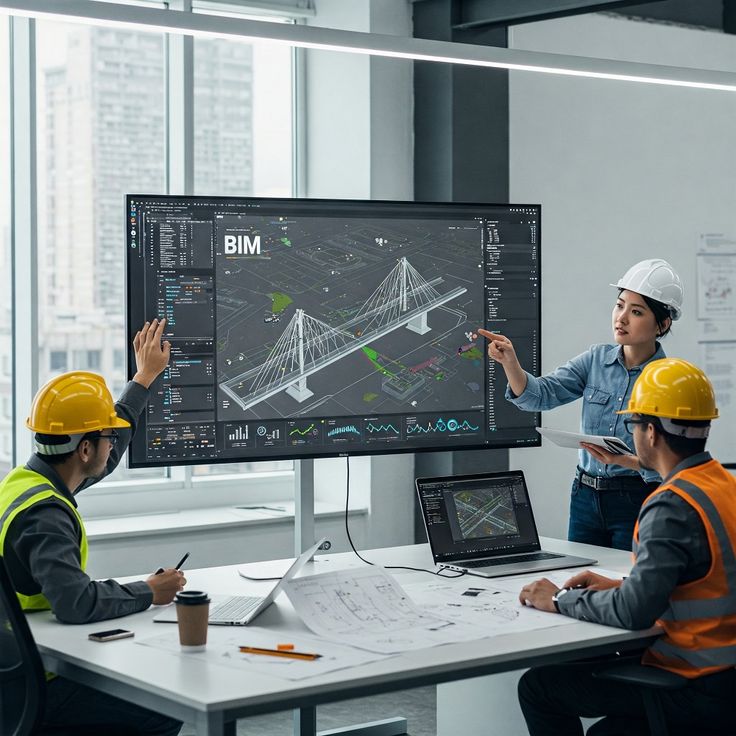
Construction has traditionally been one of the slowest industries to embrace new technologies. However, that is rapidly changing. By 2026, the integration of Artificial Intelligence (AI), Building Information Modeling (BIM), and Digital Twins will radically change the design, construction, and operation of buildings and infrastructures. This is not some distant future but the present. Airports, metros, data centers, and even smart city ventures are already harnessing these technologies to accomplish their projects quicker, safer, and smarter. We can deconstruct the work of these three tools individually and the synergy between them to understand why they are setting the new bar for the construction industry. Understanding the Basics: BIM, Digital Twins, and AI Before we talk about their impact, it’s helpful to understand what each one actually does. What Is BIM? BIM extends beyond mere 3D models. It is basically a digital replica of a building or infrastructure, loaded with data, which later enables teams to work together more effectively. Thanks to BIM, project teams can work more intelligently, minimize mistakes, and base their decisions on trustworthy data rather than assumptions. What Is a Digital Twin? Consider a Digital Twin as the “living” version of a building. If BIM is a highly detailed blueprint, then a Digital Twin is in contact with real time data coming from the sensors, equipment, and systems. It gives you the capability of seeing the operation in the building at any given time, even after it has been constructed. How AI Fits In AI analyzes an extremely large amount of data and detects patterns which might go unnoticed by humans. Regarding BIM and Digital Twins, AI can: Predict issues even before they ariseOptimize schedules and resource useImprove safety and efficiencyHelp teams make smarter decisions throughout the projectIn essence, AI is transforming data into actionable intelligence thus, making the construction significantly more proactive than reactive. Why This Combination Is a Game Changer Each of BIM, Digital Twins, and AI is a powerful tool on its own. Together, however, they totally revolutionize decision making in construction. Rather than allowing problems to happen first and then fixing them, the teams now get to foresee and prevent them. Here’s an easy analogy to help you understand: BIM shows the design Digital Twin shows the real, time situation AI makes a forecast of the next events The combination of these three is changing the way projects are delivered, operated, and maintained. How It Impacts Projects Across the Lifecycle 1.Making more intelligent design decisions Artificial intelligence tools have the capability of analyzing a multitude of design choices and suggesting the best layouts, strategies for energy conservation, and coordination without clashes. Designers are not solely dependent on their experience anymore as they can now make data, supported decisions that result in time and cost savings. 2. Faster and Safer Construction During construction, when AI is combined with BIM data, it helps: Predict schedule delaysIdentify high, risk activitiesOptimize workflow and sequencingReduce errors and rework on siteIts not just a matter of saving money the main benefit is keeping workers safer. 3. Better Cost Management By integrating cost and scheduling data into BIM models, AI can: Forecast budget overrunsCompare planned and actual costsSuggest cost, effective optionsEnhance procurement and resource planningThis kind of help is most beneficial for major, complicated infrastructure projects. 4. Smarter Operations with Digital Twins Digital Twins come into play after the construction of the building. They are linked with sensors and building systems, thus allowing the team to: Track equipment and asset performanceAnticipate maintenance activitiesDecrease downtimeIncrease the lifespan of the building or assetFacility managers are capable of preempting failures instead of reacting to them. Why Companies Are Adopting These Technologies Quickly By 2026, companies and governments will be moving at a fast pace as: Projects are becoming more and more complex Budgets and timelines are tighter There are increasing demands for sustainability and energy efficiency The performance of buildings over time is very important In fact, airports, metro systems, hospitals, and smart city projects are at the forefront of this movement since the mistakes being made are too costly to be disregarded. New Career Opportunities in Construction These changes in technology operation are giving birth to some roles that couldn’t be imagined before: Building Information Modeling (BIM) Managers morphing into Digital Engineering Managers Coordinators turning into Information Managers Facility Managers changing into Digital Asset Managers Engineers heading towards Construction Technologist rolesEmployees who know how to handle BIM and data and who have the ability to think strategically are in demand at a record level. Skills Professionals Need to Stay Relevant Technical skills are just the beginning. Technical skill Advanced BIM workflowsUnderstanding Digital Twin concepts4D & 5D BIM integrationManaging and analyzing data effectively Strategic skills Planning and implementing efficient processesCoordinating between teamsMaking decisions based on dataLeading projects and teamsThe ones with tech savvy plus a good strategy are those who will be at the helm of the industry. Is This the Future of Construction? Absolutely, BIM, AI, and Digital Twins are deeply changing the way smart buildings are designed, constructed, and operated. By 2030: All projects will use BIM as a standardAsset management will be done with Digital TwinsAI will be helping in the majority of planning and operational decision, makingConstruction is moving away from being a manual, reactive industry to becoming a data driven, predictive, and smart one. Final Thoughts AI, BIM, and Digital Twins are not merely popular words. They are revolutionizing the construction industry at its core. If you: Keep learning and upgrading your skills regularly Think of workflows, rather than just tools Take advantage of data to make your decisions more efficient you will be the generation that constructs smarter, safer, and more efficient infrastructure. Construction is no longer simply about concrete and steelit is now a matter of data, intelligence, and foresight. And this change is only at the beginning.

AI + BIM + Digital Twins: The Future of Smart Construction in 2026 Read More »

BIM Manager

BIM Manager Salary in 2026: What You Really Earn in India & Abroad

Some years back, BIM was only a “nice, to, have” kind of skill. Now, in 2026, it is the backbone of the construction industry altogether. Today, companies in industries such as airports, metros, data centers, and smart cities do not only require BIM models but BIM leaders as well. That’s exactly where the role of a BIM Manager comes into play. If you have these questions: Is BIM Manager a high paying position? What can I earn in India in 2026? Is it worth changing from BIM Coordinator to BIM Manager? We will be straightforward here and uncover the truth, no hype, just reality. What Does a BIM Manager Actually Do? A BIM Manager is more than just a modeler at a senior level. Once you get to this position, your role changes from “performing BIM” to “facilitating BIM for everyone”. Establishes BIM standards and workflowsLeads BIM teams (modelers & coordinators)Coordinates A&E, Structure, and MEPChecks models for quality, clashes, and informationCollaborates with clients, consultants, and contractorsMakes sure projects adhere to BIM mandates and ISO standardsBasically, you step up as a decision, maker, rather than just an adept software user. BIM Manager Salary in India (2026 – Real Numbers) Lets talk about money because that’s basically why you came here, right? In India, BIM Manager salaries have been on the rise for a long time, thanks to Big infrastructure projects (airports, metros, highways)Global companies outsourcing BIM, related work to IndiaIncreasing adoption of Digital Twins and smart assets Average BIM Manager Salary in India (2026) Experience Salary Range 6–8 years ₹12 – ₹18 LPA 8–10 years ₹18 – ₹26 LPA 10+ years ₹26 – ₹40+ LPA Cities that pay more: Bangalore, Pune, Mumbai, Hyderabad, Delhi NCR Many senior BIM Managers working with international clients or EPC companies comfortably earn ₹35–45 LPA. BIM Manager Salary Abroad (2026) Globally, BIM Managers are treated as digital construction leaders, not just engineers. Here’s what professionals are earning in 2026: United States: $100,000 – $140,000/year United Kingdom: £60,000 – £90,000/year UAE: AED 28,000 – 45,000/month Canada: CAD 90,000 – 130,000/year Australia: AUD 110,000 – 150,000/year If you understand international BIM standards and workflows, global opportunities open up fast. Why Some BIM Managers Earn More Than Others Here are some reasons why BIM Managers salaries vary: 1. Project Type Makes a Difference BIM Managers involved in projects such as: AirportsMetro railData centerLarge EPC infrastructuretend to get higher salaries than those working in small residential projects. 2. Software & Technology Skills Jobs with higher pay are often associated with a great mastery of the following tools: Autodesk RevitNavisworksAutodesk Construction CloudSynchroThe more you can interpret the workflow and data, the greater your worth. 3. BIM Standards Proficiency By 2026, the industry will expect BIM Managers to be adept at: ISO 19650BIM Execution Plans (BEP)LOD & LOICommon Data Environment (CDE)This is Skills That Push Your Salary Up The highest-paid BIM Managers are not just technical experts. Technical Skills Advanced coordination & clash management 4D & 5D BIM understanding Digital Twin basics Model quality audits Automation using Dynamo or Python Management Skills Leading teams Communicating with clients Training junior staff Handling BIM implementation at company level By 2026, people who combine BIM + leadership earn the most. Career Growth: How People Actually Become BIM Managers No one becomes a BIM Manager overnight. Most professionals follow this path: BIM Modeler Senior BIM Modeler BIM Coordinator Senior BIM Coordinator BIM Manager After this, many move into: Digital Engineering Manager Head of BIM Digital Construction Lead BIM Consultant or Trainer Some even start their own BIM service companies. Is BIM Manager a Good Career in 2026 and Beyond? Short answer: Yes—if you do it right. Why BIM Managers are future-proof: BIM is becoming mandatory Digital Twins are growing fast Smart infrastructure needs data-driven leaders There are more projects than skilled BIM Managers The role is shifting from software-based to strategy-based—and that’s a good thing. Final Thoughts The BIM Manager salary in 2026 reflects how important digital construction has become. In India, earning ₹18–40+ LPA is realistic if you have the right experience, skills, and mindset. But remember— BIM Manager is not about knowing every button in software.  It’s about understanding process, people, and projects. If you focus on skills + standards + leadership, BIM can give you: Strong income Global opportunities Long-term career stability And that’s rare in today’s job market.

BIM Manager Salary in 2026: What You Really Earn in India & Abroad Read More »

Why BIM Careers Are Growing in 2026 (Even Faster Than Before)

BIM Still a Good Career in 2026? What No One Tells Civil Engineers

If​‍​‌‍​‍‌​‍​‌‍​‍‌ you happen to be a civil engineer, whose mind is occupied with the question “Is BIM still a viable career in 2026?” you might as well know that you are not the only one thinking this way. This very question is being asked by engineers, architects, and construction graduates in thousands every year: “Is BIM worth learning? Is the industry still growing? Will BIM jobs be stable in the future?” The short answer? BIM is not only a good career but it is becoming one of the strongest, most future-proof paths in civil engineering. However, the long answer is much more intriguing because it deals with the real reasons no one is talking about why the number of BIM roles is increasing at a much faster rate than that of traditional civil engineering jobs. We, humans, often fail to understand complex issues but I would still try to explain it in a simplistic, life-related manner‍​‍​‌‍​‍‌​‍​‌. Why BIM Careers Are Growing in 2026 (Even Faster Than Before) By​‍​‌‍​‍‌​‍​‌‍​‍‌ the year 2026, the digital transformation of the AEC industry has become a necessity rather than an option. The new demand for faster, accurate, and efficient construction workflows is being pushed by Governments, private firms, and global contractors, and BIM is the technology that enables this change. Several countries such as the UAE, the UK, Singapore, Australia, India, and the US have escalated BIM mandates in their public projects. The fact is quite straightforward: More BIM adoption = More BIM jobs = More demand for BIM-skilled professionals. Construction companies are not just asking for BIM any longer—they are relying on it. This is the main reason why roles such as BIM Modeler, BIM Coordinator, BIM Engineer, BIM Manager, Scan-to-BIM Specialist, and Digital Twin Specialist are turning into the most significant positions in every large-scale ​‍​‌‍​‍‌​‍​‌‍​‍‌project. BIM Career Demand in 2026: What the Market Honestly Looks Like Here’s​‍​‌‍​‍‌​‍​‌‍​‍‌ what’s really going on behind the scenes: 1. Traditional civil engineering roles are overcrowded The ones who pick up civil engineering for their study are the students, but the job market for civil engineers remains stagnant. This situation brings about the competition for jobs, salaries get lower, and the number of roles become limited. 2. BIM roles offer quicker growth BIM roles are sometimes 20-60% more lucrative than the conventional drafting or site engineering jobs as the work entails: 3D thinking Use of digital tools Coordination skills Model-based planning By 2026 the greatest hiring spike is seen in BIM Coordination and BIM Management positions as companies require employees who can facilitate communication between architecture, MEP, and structural teams. 3. Companies like engineers who have software + digital skills</strong> A civil engineer familiar with the use of Revit, Navisworks, BIM 360, Synchro, Dynamo, or Clash Detection workflows immediately captures the attention. These skills make an engineer more indispensable as they lessen the project errors, eliminate the rework, and facilitate the execution. 4. BIM is now very much intertwined with By 2026, BIM is not a separate field but is integrated with: Digital twins AI-based model checking 4D and 5D simulations Reality capture (laser scanning, drones) IoT-based asset monitoring This implies that BIM workers are dealing with future technologies long before the traditional engineering ‌  ​‍​‌‍​‍‌​‍​‌‍​‍‌workflows. Is BIM a Stable Career in 2026? The Honest Reality Stability​‍​‌‍​‍‌​‍​‌‍​‍‌ is essentially derived from one factor: necessity. BIM is, in fact, a necessity in construction. Small and medium-sized enterprises are even investing in BIM teams because: Clients demand clash-free, coordinated designs Contractors want precise schedules and cost plans Government tenders require digital submissions Execution teams need model-based workflows This transition is a guarantee of stability for BIM professionals in the future. If you are concerned that BIM might “die” or “get replaced,” actually the reverse is true—AI is strengthening BIM, not weakening it. AI tools are there to help with automation, but the industry still requires people who have a deep understanding of engineering logic, design intent, and ​‍​‌‍​‍‌​‍​‌‍​‍‌coordination. What BIM Career Paths Look Like for Civil Engineers BIM​‍​‌‍​‍‌​‍​‌‍​‍‌ is not just one job anymore, it is a whole career ecosystem. Civil engineers have the potential to evolve into such positions as: Structural BIM Modeler  BIM Coordinator  BIM Engineer BIM Execution Planner BIM Lead BIM Manager Digital Construction Manager Digital Twin Specialist  VDC Engineer Scan-to-BIM Expert   Such a layered progression allows engineers to begin with a small role and eventually develop into leadership positions. The salary increases are also quite substantial. The salary of a BIM modeler may be quite modest at the beginning, but a BIM Manager or BIM Lead can make very high salaries, especially in the case of international ​‍​‌‍​‍‌​‍​‌‍​‍‌projects. Do You Really Need Advanced Skills to Start? The​‍​‌‍​‍‌​‍​‌‍​‍‌ reality is: If you want to make a career in BIM, you don’t have to be a software genius. Almost the entire BIM staff initially comes from: Revit (the necessary foundational layer) Navisworks (for clash detection) Somewhat familiar with the drawings and construction The market demands the above abilities more than technological skills. The capability to visualize in 3D, grasp the concepts of building systems, and act as a liaison between different groups is what counts most. New graduates can also get a BIM position by concentrating on tool usage and workflow ​‍​‌‍​‍‌​‍​‌‍​‍‌learning. Why Civil Engineers Are Switching from Site Work to BIM Roles Most​‍​‌‍​‍‌​‍​‌‍​‍‌ of the today’s engineers are switching to BIM because: Working on the ground can be heavy on the body Income is usually kept at a low level Development is slow and uncertain It is difficult to maintain the balance between work and life Jobs in the digital sector provide better comfort and flexibility With BIM positions, engineers have the opportunity to carry on their technical knowledge in a more efficient, digital way while still being able to have an office-based ​‍​‌‍​‍‌​‍​‌‍​‍‌career. How AI is Shaping BIM Careers in 2026 (Without Replacing Engineers) AI​‍​‌‍​‍‌​‍​‌‍​‍‌ is helping to speed up BIM processes by automating some tasks such as: clash detection suggestions  model checking quantity

BIM Still a Good Career in 2026? What No One Tells Civil Engineers Read More »

Clash Detection in BIM The Complete 2025-26 Guide for Architects & Engineers

Clash Detection in BIM The Complete 2025-26 Guide for Architects & Engineers

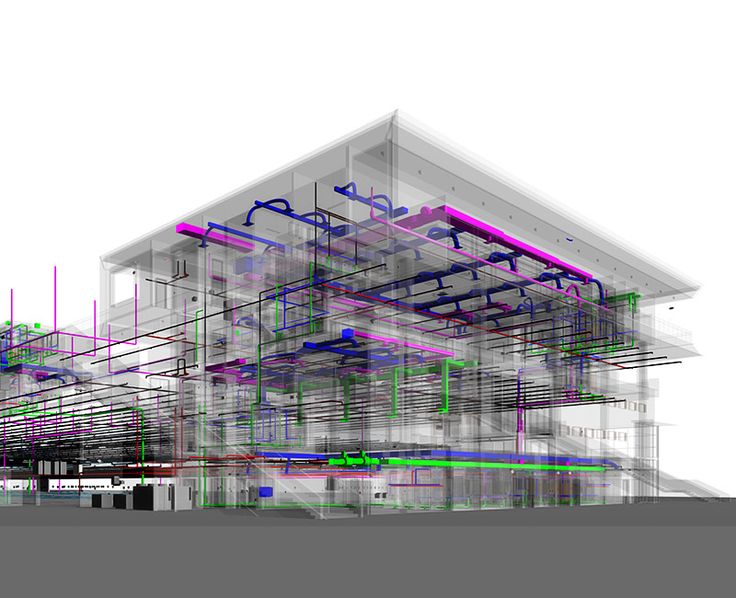
Compared​‍​‌‍​‍‌​‍​‌‍​‍‌ to ten years ago, construction is a totally different thing today. Structures are more complicated, there are less days to complete the works, and customers demand perfect results. In such a circumstance, a tiny error in the design of a duct crossing a beam can result in a substantial delay and extra expenses being caused at the construction site. That is the place where Clash Detection in BIM comes. It has become one of the most significant parts of the design and coordination process in 2025. The main idea is not to uncover the problems when building the structures but to find out the issues in the digital models and solve them before the site is ready. If you are an architect, engineer, or a member of any construction team, it is not only handy but also necessary to know what clash detection is. This guide provides all the information in a simple, understandable ​‍​‌‍​‍‌​‍​‌‍​‍‌manner. What Is Clash Detection in BIM? Think​‍​‌‍​‍‌​‍​‌‍​‍‌ of it as if you are making a house. The architect puts the wall. The electrician wires the house. The plumber pipes the house. What if it is that—without knowing—the pipe is in the same place as the electrical conduit? It’s a clash. BIM clash detection is all about resolving those conflicts inside the 3D digital model before the team arrives on the site. Instead of finding out the mistake after the materials are bought or the walls are built, the BIM model shows it at the very beginning, thus, saving time and money. Those are the places where the conflicts normally arise between: Architectural vs. Structural elements Structural vs. MEP elements MEP vs. MEP systems Or even in the project schedule (4D clashes) Comparing your planning with the real world, clash detection is that “reality check” of construction ‌ ‌ ‌  ​‍​‌‍​‍‌​‍​‌‍​‍‌planning. Why Clash Detection Matters in 2025-26 More Than Ever The​‍​‌‍​‍‌​‍​‌‍​‍‌ way construction operates is changing. The projects are grander. The MEP systems are complicated to a higher degree. The sustainability rules are getting stricter. And delays cost more and more. It has become clash detection, which the industry cannot do without in 2025. It really saves a lot of money If you remove a clash from the design in a couple of minutes, you can hardly imagine it taking a few minutes. Removal on the spot can, however, bring the whole project to a halt. Clash detection makes sure that there are no: Wasted materials Systems that have been installed already, but redoing them Design changes at the last minute Unplanned rework Moreover, it collaborates better Architects, engineers, and contractors may not necessarily use the same approach when designing. So, what clash detection does is that it gathers all the models in one space where the interaction of the works can be seen by everyone. The construction process is speeded up by it As long as the design is neat and coordinated, the installation will be easy and anticipated. No more “stop work” situations when teams stumble upon the overlapped areas which had not been considered. Additionally, it is a great help for prefabrication The components to be prefabricated should have accurate measurements. Clash detection is the one that guarantees that each and every dimension and clearance is right prior to the production of the ​‍​‌‍​‍‌​‍​‌‍​‍‌parts. Types of Clashes in BIM 1.​‍​‌‍​‍‌​‍​‌‍​‍‌ Hard Clashes These are the main, tangible issues. Example: A duct going through a beam. A pipe going through a column. These are the ones that have the power to bring a project to a halt instantly if they are not discovered early. 2. Soft Clashes These refer to comfort, safety, or maintenance aspects. Example: An HVAC unit that doesn’t have enough space for servicing. A fire panel that can’t be fully opened. These do not physically collide but create operational issues. 3. Workflow or 4D Clashes These are the issues related to time. Example: The schedule shows that electrical work will start before the walls are built. 4D clashes are the change of the sequences that pinpoint the errors that can be the cause of the timeline being ​‍​‌‍​‍‌​‍​‌‍​‍‌disrupted. How Clash Detection Happens 1.​‍​‌‍​‍‌​‍​‌‍​‍‌ Integration of All Models Separate architectural, structural, and MEP models are combined into a single federated model. Commonly used are such tools as Navisworks and Revizto. 2.Clash Rules Are Defined The teams decide: <br> Elements to be checked <br> Required spacing <br> Priority of systems  Here the step prevents the false matches that are unnecessary. 3. The Software Performs Automated Clash Tests The software reviews the whole model and creates the conflicts that can be found along with the screenshots and the exact locations. 4. Clashes Are Studied, and Categorized Not all clashes are a crisis.  Teams classify them into: <br> Critical <br> Important <br> Minor <br> Acceptable  That helps people to deal with the amount of work. 5.Coordination Meetings Occur Discussion of clashes and agreeing on solutions are the objectives of the meeting of all the architects, structural engineers, and MEP teams. 6.Model Updating The teams reflect on their model changes as per the decisions made. <br> New editions are uploaded, checked, and confirmed. 7.Final Model Without Clashes After all the rechecks and revisions, the model is good to go and will be used for the next stage of the ​‍​‌‍​‍‌​‍​‌‍​‍‌project. Tools That Power Clash Detection in 2025-26 The​‍​‌‍​‍‌​‍​‌‍​‍‌ major arsenal of tools are: Autodesk Navisworks Manage Solibri Office Revizto BIMcollab Revit Coordination Tools Most tools today offer cloud coordination, issue tracking in real-time, and AI assistance. What teams really feel is the impact of clash detection Here is the truth of the matter: when clash detection is employed appropriately, these are the results that follow: Projects get completed in less time Designs become more precise Stakeholders communicate more effectively Less number of RFIs and change orders Installation processes become safer Higher quality standards Better utilization of prefabrication Enhanced mutual trust among ​‍​‌‍​‍‌​‍​‌‍​‍‌teams Challenges Teams Still Face Even​‍​‌‍​‍‌​‍​‌‍​‍‌ with BIM, clash detection is not completely

Clash Detection in BIM The Complete 2025-26 Guide for Architects & Engineers Read More »

BIM Management

BIM Management: Why Every Civil Engineer Must Learn BIM in 2025-26

A New Digital Era for Civil Engineers The​‍​‌‍​‍‌​‍​‌‍​‍‌ world of construction is going by very rapidly, it is almost indescribable. New technology, smart tools, and digital systems are being used instead of old manual ways. And BIM – Building Information Modeling – is the thing that is changing the whole construction industry. For civil engineers, BIM is no longer a concept “nice to know”. By 2025, it has become a necessity of knowledge if you want to advance your career, have a better pick of work, and keep your place in the industry. This blog uses simple language to clarify the necessity of BIM management, how it supports the work of civil engineers, and the reason why mastering it at this point of time can be a complete turn of your ​‍​‌‍​‍‌​‍​‌‍​‍‌career. Why BIM Has Become Essential in 2025-26 BIM​‍​‌‍​‍‌​‍​‌‍​‍‌ is not just an advanced software; it is a comprehensive digital strategy for planning, designing, constructing, and managing buildings and infrastructure. A platform that enables the visualization, coordination, and analysis of every aspect of a project before the actual site visit is what a civil engineer needs today. Building Information Modeling (BIM) achieves this by producing an intelligent digital model that, in one place, combines structure, materials, cost, scheduling, performance analysis, and other aspects. As a result of governments mandating BIM and engineering companies adopting digital-first workflows, the need for civil engineers skilled in BIM has never been greater. When the scale and complexity of infrastructure projects are growing, BIM has become the most effective and accurate method of uniting the design and construction ​‍​‌‍​‍‌​‍​‌‍​‍‌teams. How BIM Transforms Real Civil Engineering Workflows One​‍​‌‍​‍‌​‍​‌‍​‍‌ of the main features of BIM that make it revolutionary is the capability to remove those unknowns that usually cause delay and rework. For example, a mismatch between architectural, structural, and MEP drawings has traditionally led to expensive clashes that were only figured out during construction. With BIM, the engineers can see the entire project in a single 3D environment which helps them to find conflicts at an early stage. This, in turn, leads to fewer errors, higher precision, and better performance on the site. Engineers are given the opportunity to investigate the structural system, examine the consumption of materials, measure the effects of the environment, and get familiar with the total performance of the building way before the construction process has started. The transparency that BIM offers to the decision-makers makes their decisions more logical, easier to anticipate, and more in compliance with the challenges of the real world. BIM and the Rise of Smart Infrastructure As​‍​‌‍​‍‌​‍​‌‍​‍‌ urban areas transform into interconnected digital ecosystems, their respective infrastructures will have to be smarter, energy-efficient, and responsive. Building Information Modeling (BIM) is instrumental in the transition towards smart city conception. It is a tool that engineers use to make the design of roads, bridges, metros, airports, and public facilities more accurate and sustainable. Given that climate performance and environmental impact are still the most important factors, engineers through the use of BIM are able to measure energy efficiency, carbon emissions, water consumption, material waste, and life-cycle cost, to name a few, all from one model. The emergence of digital twin technology in 2025 means that BIM models no longer relate only to construction but are also used for performance monitoring and maintenance prediction. This is resulting in great benefits over time for the engineers as well as asset owners and hence BIM is becoming a must-have tool for infrastructure capable of withstanding the ​‍​‌‍​‍‌​‍​‌‍​‍‌future. Career Growth and Global Opportunities Through BIM It​‍​‌‍​‍‌​‍​‌‍​‍‌ has been noted that the job market for the last few years has changed radically, and those civil engineers who are trained in BIM are now leading in terms of professional opportunities. Companies all over the world are recruiting BIM engineers, BIM coordinators, BIM managers, and VDC specialists at a much quicker rate than those who are engaged in traditional CAD-based roles.  One who is well-versed in BIM not only gets access to better positions and higher remunerations but is also exposed to the opportunity of working with multinational construction firms. The likes of the UAE, UK, USA, Canada, and Singapore have already enforced the use of BIM as a prerequisite for large government projects, hence making BIM a strong launching pad for engineers who are willing to work in foreign countries. Graduates who BIM-trained during their studies are usually the first to get jobs and are more adept at managing complicated ​‍​‌‍​‍‌​‍​‌‍​‍‌projects. How BIM Makes Civil Engineering Work Easier After​‍​‌‍​‍‌​‍​‌‍​‍‌ the career advantages, BIM is a tool that can be used to simplify the everyday engineering tasks done by the traditional tools. When a modification is done to a BIM model, it could be in reinforcement details, beam sizes, or column placement, the whole model changes automatically. Hence, the repetitive drafting work is removed and the possibility of errors due to manual updates is reduced. Architects, engineers, and contractors communicate more effectively as a result of working on the same digital model. Besides that, BIM is a great tool for civil engineers when working on large-scale infrastructure projects that require understanding the interrelation of different building systems. Instead of handling layers of drawings, engineers can now explore virtual models to get a detailed understanding of what they are constructing. It is a process that brings confidence, clarity, and accuracy to the whole ​‍​‌‍​‍‌​‍​‌‍​‍‌workflow. Why 2025-26 Is the Perfect Time to Learn BIM As​‍​‌‍​‍‌​‍​‌‍​‍‌ the construction industry is becoming more and more digital, 2025 may well be the turning point for civil engineers to adopt BIM. A few years from now, no company will consider BIM as a skill to be highly advanced—it is simply becoming a fundamental requirement. Staff will be those engineers who, when faced with the choice, decide not to go down the path of automated design, cloud collaboration, and real-time project monitoring. Hence, as environmentally conscious standards, project intricacies, and techno-friendly integration trends keep on rising, BIM will be the main

BIM Management: Why Every Civil Engineer Must Learn BIM in 2025-26 Read More »

Tower C by Zaha Hadid Architects

Tower C by Zaha Hadid Architects: Redefining the Future of Shenzhen’s Skyline

To​‍​‌‍​‍‌​‍​‌‍​‍‌ the constantly innovating metropolis of Shenzhen, the city architecture is one of the top things that’s pushing beyond the limits in terms of trend and also ecological factors. Zaha Hadid Architects (ZHA) created Tower C to be one of the most outstanding elements of its future urban living concept: a building that combines aesthetics, technology, and eco-friendly design all in one stunning figure. Located in the Shenzhen Bay Super Headquarters Base, Tower C is more than just a high-rise with numerous floors. It is a digital-age triumph which demonstrates how parameter design, BIM (Building Information Modeling) technology, and eco-friendly mechanisms can be united to give rise to the next generation of smart cities. A Vision of Flow and Function Futuristic and at the same time practical, neat and simple in design though a complex structure, this is the typical approach that Zaha Hadid Architects have been taking over the years. In this case, the story is not different – with its fluid, natural shape, the Tower C is a metaphor of motion and progress, thus nodding to the fast growth of Shenzhen into a worldwide technological powerhouse. The scope of work includes the creation of two separately standing but clubbed together towers with a height exceeding 400 meters each. These buildings thus constitute a vertical city comprising office spaces, shopping areas, ect. Lourry, sports were, and even park terraces – all interlinked via sky bridges and green rooftops/shores. The art of this is not just phenomenal but actually crafting a real concept of a breathing, adapting, and living building that can communicate with nature and its neighboring ​‍​‌‍​‍‌​‍​‌‍​‍‌buildings. ​‍​‌‍​‍‌​‍​‌‍Parametric Design: The Science of Shape One of the main features in the architecture of the Tower C is the parametric design which is a digital tool that facilitates the designers to alter the form of the building based on the data and the set objectives. The ZHA design team used computational design tools to study the air movement of the building, as well as its solar energy intake, and structural performance. They have shaped the curved geometry of Tower C not only to give an artistic appeal but also to optimize it for wind resistance, daylight, and energy efficiency. By their tapering towers and adaptable façades, the architects decrease wind pressure and simultaneously let in more daylight. High-tech glazing and a responsive shading system contribute to energy savings, thus, confirming that one doesn’t have to compromise the other. The Power of BIM in Design and Construction One complex project as such of Tower C would have been unfeasible without the help of Building Information Modeling (BIM) – the digital core of its design and implementation. BIM made it possible for the different stakeholders involved in the project: the architects, the engineers, and the contractors to work together in the real-time, thus ensuring that every detail – from the façade curves to the internal MEP systems – was in harmony and there were no clashes. Harnessing the power of BIM, the architects at ZHA could: Simulate energy and daylight performance Optimize material usage and cost Coordinate complex systems digitally Plan predictive maintenance before construction even began Tower C is the story of how BIM can be used to great success in many ways, thus, it is a perfect example of how data-driven design can become a source of precision, efficiency, and sustainability in present-day ​‍​‌‍​‍‌​‍​‌‍​‍‌architecture. Sustainability​‍​‌‍​‍‌​‍​‌‍​‍‌ at Every Level By no means a design to just impress, but to inspire a shift toward eco-responsive high-rise design, the Tower C was conceived by Zaha Hadid Architects. The green features of the building are some of its key: Double-skin façades that help keep the temperature under control naturally Rainwater harvesting and greywater recycling systems Photovoltaic panels for the generation of clean energy Smart sensors that help in monitoring and reducing energy consumption With such measures, Tower C is compatible with China’s carbon-neutrality targets and is aiming at obtaining the highest-level sustainability certifications like LEED Platinum. AI and Smart Systems Integration What mainly differentiates the incorporation of AI and IoT technologies in core systems of Tower C is how it is realized practically. Artificial intelligence enables the building to ‘think’ — for instance, it can adjust the lighting, ventilation, and temperature according to the occupancy of an area and external factors. Predictive algorithms are used for maintenance tasks by means of which they lessen the stops for maintenance and increase the lifespan of the equipment. This AI + BIM + IoT synergy makes the building a living, learning entity which adapts to the changes in its surroundings and the needs of its ​‍​‌‍​‍‌​‍​‌‍​‍‌users. A​‍​‌‍​‍‌​‍​‌‍​‍‌ Landmark for a Smart City As a city, Shenzhen is always changing with new technology and new designs, and Tower C is a perfect example of that change. It is a visually impressive structure arising from the Bay Super Headquarters Base. It is essentially a gateway linking not only the Qianhai District and Shenzhen Bay but business, culture, and public life as well. With open plazas, gardens, and transit links, the podium level is designed to be an access point to the city for people, hence, it is a place where the public can interact and the corporate tower is closed minimally if at all. Tower C is probably the most convincing argument of how architecture can integrate city life, sustainability, and smart technology without creating any barriers — thus, the building is setting a standard for the skyscrapers of the future all over the world. The Design Philosophy Behind the Masterpiece Zaha Hadid Architects are consistent with one design philosophy for all their work which is based on fluidity, performance, and adaptability. The common attributes of their projects which include Leeza SOHO in Beijing, Galaxy SOHO, and Guangzhou Opera House are dynamic forms shaped by digital intelligence. In the case of Tower C, the main idea is manifested by the architecture of the building with its sleek aerodynamic curves and data-responsive design, thus, it is both a sculptural

Tower C by Zaha Hadid Architects: Redefining the Future of Shenzhen’s Skyline Read More »

Top Sustainable Landscape Architecture Projects in the USA (2025 Edition)

Top Sustainable Landscape Architecture Projects in the USA (2025 Edition)

With​‍​‌‍​‍‌​‍​‌‍​‍‌ urban centers changing all around the U.S., ecologically responsible landscape architecture is not simply an attractive feature anymore – it has become a requirement. These new-age green initiatives address major issues such as climate change adaptation, water management, and the creation of healthy local communities, thereby revolutionizing our relationship with nature in the cities. By the year 2025, going green in the design has ceased to be a trend – it is the underlying principle of landscape architecture. We can see how these pioneering, green, and environmentally friendly undertakings have a tremendous impact on both the urban and natural landscapes of ​‍​‌‍​‍‌​‍​‌‍​‍‌America. The Evolving Role of Landscape Architecture The​‍​‌‍​‍‌​‍​‌‍​‍‌ U.S. has been a major influencer in the world of landscape architecture for a very long time. In fact, the shift of social, environmental, and technological themes through time had been very evident in each of these landmark projects – from Frederick Law Olmsted’s Central Park to the futuristic The High Line and Brooklyn Bridge Park. Presently, the profession of landscape architecture, which is confronted by the issues of climate change and densification of cities, has decided to put at the centre of their design not only sustainability and inclusiveness but also the use of technology. As per the information provided by the U.S. Bureau of Labor Statistics (May 2024), the median annual salary of landscape architects is $79,660, which is quite a significant amount and mainly reflects the role of this profession in the development of urban resilience and sustainable ​‍​‌‍​‍‌​‍​‌‍​‍‌design. Top 10 Iconic Landscape Architecture Projects in the USA Such​‍​‌‍​‍‌​‍​‌‍​‍‌ landmark projects are a shining example of how intelligent design can effectively integrate ecology, art, and the human experience. They have each, not only physically, but also metaphorically, changed the cityscape of their respective cities. 1. The High Line – New York City, NY The​‍​‌‍​‍‌​‍​‌‍​‍‌ High Line used to be a rusting elevated railway that went out of Manhattan, but it now looks like a green strip that runs above Manhattan. With the help of James Corner Field Operations, it combines art, architecture, and nature to become one of the most famous linear parks globally. Significance: The project was a global demonstration of how urban reuse could revitalize the areas that had been put aside and ​‍​‌‍​‍‌​‍​‌‍​‍‌neglected. 2. Millennium Park – Chicago, IL Primarily​‍​‌‍​‍‌​‍​‌‍​‍‌ known for the “Cloud Gate” (The Bean), Millennium Park is however not only a place for the tourists — it is a green architecture accomplishment that deals with the heat, water, and energy in a very eco-friendly way. Importance: It is a signal that city parks can combine technology with art and still be ​‍​‌‍​‍‌​‍​‌‍​‍‌green. 3. Gas Works Park – Seattle, WA Richard​‍​‌‍​‍‌​‍​‌‍​‍‌ Haag’s park, which was constructed on the site of an old gasification plant, is a classic example of how the polluted industrial area can be transformed into a vibrant public green space. The point: The project was pioneering in its commitment to environmental restoration, way before the term “green design” was ​‍​‌‍​‍‌​‍​‌‍​‍‌invented. 4. Brooklyn Bridge Park – Brooklyn, NY This​‍​‌‍​‍‌​‍​‌‍​‍‌ waterfront park converted old, unused piers into a lively, sustainable area that takes in floodwater and provides a habitat for native species. Reason to be concerned: The place shows real-life climate adaptation by ​‍​‌‍​‍‌​‍​‌‍​‍‌design. 5. Discovery Green – Houston, TX What​‍​‌‍​‍‌​‍​‌‍​‍‌ used to be a parking lot is now a 12-acre green space enriched with native trees, gardens, and stormwater features. Why it matters: It’s an example of urban change – a change of the hard surface to a community ‌ ​‍​‌‍​‍‌​‍​‌‍​‍‌one. 6. The Getty Center Gardens – Los Angeles, CA Reason it matters: The Donald Judd Outdoor Sculpture Garden is an example of how art, nature, and human senses can be combined to demonstrate that sustainability is capable of yielding attractive results.  7. The 606 – Chicago, IL It​‍​‌‍​‍‌​‍​‌‍​‍‌ is an elevated 2.7-mile trail that was constructed on a disused rail line and now serves as a connection between the neighborhoods via art, nature, and mobility. Reason: This is the main way in which the project has had a significant impact – it has been the model for how urban greenways can be harnessed to improve community health and create social ​‍​‌‍​‍‌​‍​‌‍​‍‌bonds. 8. ASLA Green Roof – Washington, D.C. This​‍​‌‍​‍‌​‍​‌‍​‍‌ is the rooftop garden that is the main focus of the transformative initiative by the American Society of Landscape Architects – a project that contributes to heat reduction, air purification, and stormwater management. Reason it is important: The green tops movement it spurred in cities all over the world was the main effect of ​‍​‌‍​‍‌​‍​‌‍​‍‌it. 9. Peavey Plaza – Minneapolis, MN Peavey Plaza is a typical modernist urban square that was given a new life for the present day — the design features accessibility, sustainability, and climate resilience.  Purpose: This is a demonstration of a timeless design morphing into the future while still keeping its ​‍​‌‍​‍‌​‍​‌‍​‍‌essence.  10. Black Rock City – Nevada (Burning Man) A​‍​‌‍​‍‌​‍​‌‍​‍‌ metropolis that is constructed in the desert annually with radical creativity and sustainability — and then it vanishes without leaving any trace. Why we should care: It serves as the most extreme instance of ephemeral, zero-impact ​‍​‌‍​‍‌​‍​‌‍​‍‌urbanism. How These Projects Shape the Future Each​‍​‌‍​‍‌​‍​‌‍​‍‌ one of these lands speaks of a time past, present, and future, change and the deepening bond between humans and nature. These have been major factors in changes ranging from urban areas handling heat and stormwater more efficiently, to houses being built with green roofs, native gardens, and environmentally-friendly materials. Basically, eco-friendly landscape architecture has moved beyond the mere beautification of the space – it is concerned with the creation of mechanisms that enable urban areas to sustain life ‌ ‍ ​‍​‌‍​‍‌​‍​‌‍​‍ 2025​‍​‌‍​‍‌​‍​‌‍​‍‌ Trends in Landscape Architecture What technologies and methodologies will be driving the landscape design of tomorrow are worth taking a look at. 1. Decarbonization Through Design In an effort to reduce emissions from their projects, architects are utilizing emissions calculator tools like Pathfinder and Carbon Conscious, most

Top Sustainable Landscape Architecture Projects in the USA (2025 Edition) Read More »

tower image

Trump​‍​‌‍​‍‌​‍​‌‍​‍‌ Towers Around the World: The Architecture Behind the Brand

Donald ‍ ‌​‍​‌‍​‍‌​‍​‌‍​‍‌ Trump — the 45th President of the United States — is not only a political figure but also a major influence in real estate around the globe. In fact, before he even thought of running for office, Trump was the one whose name was most often linked to luxury skyscrapers and trendsetting cityscapes, and as a result, he literally brought big changes to the new horizons of cities in multiple continents. One can say that the Trump Towers are more than just structures existing in the world — they have become the icons of force, opulence, and daring architecture. The landmark all-glass building in New York, for instance, alongside the glittering towers in India and Panama, are the amalgam of architectural brilliance, cutting-edge engineering, and identity of a brand in the manner of which very few real estate projects are capable. With this blog, we are taking a tour around the globe to check out the most impressive Trump Towers, their architecture concepts, and the factors that influence them to be a class apart in the continuous changing world of architecture and ​‍​‌‍​‍‌​‍​‌‍​‍‌construction. The Vision Behind Trump Towers Essentially​‍​‌‍​‍‌​‍​‌‍​‍‌ the “Trump Tower” theme revolves around a brand of luxurious living and upscale architecture. In general, these towers are the work of the world’s leading architects, combining contemporary elements such as glass and steel with postmodern stylistics and rich interiors. Trump’s real estate empire is all about: Skyline dominance — buildings that become the city’s visual landmarks. Deluxe living spaces — penthouses, gold trimmings, and luxurious amenities. Worldwide location choices — from New York to Manila, Dubai, and Mumbai. The entire portfolio is a showcase for the Trump brand’s ethos: luxury, singling out, and everlasting ​‍​‌‍​‍‌​‍​‌‍​‍‌charm. Iconic Trump Towers Around the World 1. Trump Tower, New York City The​‍​‌‍​‍‌​‍​‌‍​‍‌ initial Trump Tower in Manhattan was the origin of the whole story. In 1983, this 58-story skyscraper that was designed by Der Scutt was completed and very soon it became an architectural icon. One could understand luxury from the metal-reflecting glass front, the high atrium, and the pink marble finishing that were the features of the building. Situated on Fifth Avenue, it is a place where offices, luxury apartments, and retail spaces coexist. Up till now, it is the home base of the Trump Organization and a place that one has to visit when in New ​‍​‌‍​‍‌​‍​‌‍​‍‌York. 2. Trump International Hotel & Tower, Chicago Located​‍​‌‍​‍‌​‍​‌‍​‍‌ proudly on the Chicago River, this 98-story building is one of the tallest structures in the United States. It is a work of art of high-rise architecture of the present time created by Adrian Smith of Skidmore, Owings & Merrill. The building’s airy glass front and the rounded setbacks provide a gentle flow of the city’s skyline. The building is simply not a hotel or residential — it is an example of how architecture can acknowledge nature and still be ​‍​‌‍​‍‌​‍​‌‍​‍‌different. 3. Trump International Hotel & Tower, Las Vegas Everything​‍​‌‍​‍‌​‍​‌‍​‍‌ in Vegas has to shine, and Trump Tower is definitely one of those. This is a building whose one can hardly avoid noticing its shiny golden tinted glass that even sparkles under the desert sun. The building is a 64-story combined hotel and residential unit that was first opened in 2008. In there, it provides breathtaking views of the city, luxurious fittings, and, basically, everything a brand like Trump is known ​‍​‌‍​‍‌​‍​‌‍​‍‌for. 4. Trump Towers – Sunny Isles Beach, Florida These​‍​‌‍​‍‌​‍​‌‍​‍‌ three matching residential towers along the coast of Florida are setting a new standard for oceanfront living. Made with the signature of Sieger Suarez Architects, the buildings are equipped with massive glass windows that extend from the floor to the ceiling, have open balconies and offer a sweeping view of the Atlantic ocean. The 45-floor skyscrapers, each, embody a chic, sophisticated way of life, and are fitted with amenities perfect for people desiring peace alongside luxury – the hallmark of Sunny ‍ ‌ ​‍​‌‍​‍‌​‍​‌‍​‍‌Isles. 5. Trump Towers – Pune, India At​‍​‌‍​‍‌​‍​‌‍​‍‌ the time when Trump introduced his brand into the Indian market, Pune was one of the cities which felt the impact of the brand most closely. These two 23-story residential towers with a completely glass façade and up-to-the-minute amenities have been around since 2017 and really get attention in the area. They are a symbol of the emergence of the high-end real estate market in India and the increasing influence of international architectural trends on local designs as told by their designer firm Talati & Panthaky ‍ ‌ ‍ ​‍​‌‍​‍‌​‍​‌‍​‍‌Associates.   6. Trump Tower – Mumbai, India Mumbai’s​‍​‌‍​‍‌​‍​‌‍​‍‌ 79-story Trump Tower, a project by Lodha Group, is an exercise in extravagance gone viral. Finished in 2021, it ranks among the highest Trump projects in Asia. The 24-carat exterior flaunts a perfect synergy of money and aspiration, whereas inside, it’s a smorgasbord of five-star comforts — a lift just for you and views of the city that stretch as far as the eye can see. It’s a perfect harmony of worldwide luxury and India’s ​‍​‌‍​‍‌​‍​‌‍​‍‌dreams. 7. Trump Towers – Istanbul, Turkey Trump ‍ ‌​‍​‌‍​‍‌​‍​‌‍​‍‌ Towers Istanbul, which is a part of the brand that has been made more refined by European style, was completed in 2010. The building comprises two linked towers – one is a typical office tower, and the other is a residential tower. The building with its facade of glass and steel is a reflection of the rapidly changing trendy skyline of Istanbul and at the same time, it is providing luxurious living and working spaces in a nice and clean city. The building is a work of art of Brigitte Weber Architectural ‍ ‌ ‍ ​‍​‌‍​‍‌​‍​‌‍​‍‌Office. 8. Trump Tower – Manila, Philippines Trump ‍ ‌​‍​‌‍​‍‌​‍​‌‍​‍‌ Tower Manila goes up 57 floors in Makati, which is considered one of the most vibrant business districts not only in Asia but the whole world. Its “peeled façade” is a unique architectural feature for which the building is famous, a futuristic design

Trump​‍​‌‍​‍‌​‍​‌‍​‍‌ Towers Around the World: The Architecture Behind the Brand Read More »

bim image

How Building Information Modeling (BIM) is Essential for Architects in 2025

Have​‍​‌‍​‍‌​‍​‌‍​‍‌ you ever thought about how architects of this era are able to turn their wildest ideas into reality—creating intricate buildings that are accurate, quickly made, and eco-friendly? The answer is Building Information Modelling (BIM) — the digital revolution that is radically changing the way architecture is designed, visualised, and delivered. With the AEC (architecture, engineering, and construction) industry changing, architects are not only the ones who come up with the designs— they are digital innovators. And BIM is the main point of this change. This blog is about understanding what BIM means to architects, figuring out the reasons that led to its becoming a must-have, and finding out how it is determining the future of architectural design and ​‍​‌‍​‍‌​‍​‌‍​‍‌construction. What Exactly Is BIM? Building​‍​‌‍​‍‌​‍​‌‍​‍‌ Information Modelling (BIM) is more than just a three-dimensional model — it is essentially a digital representation of a building’s physical and functional features. Imagine it as a living, breathing digital twin of a building. Essentially, BIM is the lifecycle of the building with the phases of design, construction, operation, and maintenance included. One of the major benefits is how it helps architects to see, study and enhance every detail of the design even before the actual construction begins — thus making the projects more intelligent, eco-friendly, and ​‍​‌‍​‍‌​‍​‌‍​‍‌cheaper. The Multi-Dimensional Power of BIM Building​‍​‌‍​‍‌​‍​‌‍​‍‌ Information Modelling (BIM) is not merely a 3D model but rather a full digital description of a building’s tangible and intuitive features. Simply put, it’s a digitally living or breathing twin of a building. In fact, BIM is all about the building lifecycle from the design phase through construction to operation and maintenance. With the aid of this technology, architects can see, test, and optimise each and every detail even before the actual building process starts, hence making the projects more intelligent, environmentally friendly, and less costly. Why BIM Is a Game-Changer for Architects 1.​‍​‌‍​‍‌​‍​‌‍​‍‌ Better Collaboration, Less Confusion By using BIM, the different parties involved in a construction project, i.e., the architects, engineers, contractors, and clients, are all brought onto a single digital platform. It is this real-time collaboration that makes the communication gaps fewer and the mistakes fewer, and it thus guarantees that all the stakeholders are working from the same data source. 2.Design with Confidence Using BIM tools, architects are able to develop numerous design alternatives, perform the simulation of lighting, energy, and material consumption, and, in the end, make data-driven decisions that not only improve the look of the building but also its functionality. 3.Precision and Cost Control BIM is capable of linking the cost data to the design phase, which is the earliest one. This is why architects are helped to forecast the budgets, keep away from the design changes that cost them a lot later, and furnish the results that are value-driven. 4.Sustainability by Design Today architectural practice requires environmentally friendly solutions. BIM gives architects the power to measure energy efficiency, use material optimally, and design sustainable buildings with low-carbon emissions that are in line with the global green standards. 5.Smarter Documentation The time of manual drawing sets has passed. When design changes are made, BIM is able to update all the drawings, schedules, and documentation automatically; thus, it is saving the time that would otherwise be spent, and it is also making it impossible to make a certain type of mistake, namely that which is caused by wrong ​‍​‌‍​‍‌​‍​‌‍​‍‌documentation. Real-World Applications of BIM in Architecture BIM‍‌‍‍‌‍‌‍‍‌ is not limited only to skyscrapers; it is changing the way any kind of project is handled, whether it is large or small: Residential Projects: Architects employ BIM to make layouts more efficient, enhance the interior, and even see the design changes live. Commercial Buildings: The use of BIM in these facilities, be it office towers or malls, enhances the coordination and also guarantees that MEP systems and structures are aligned accurately. Heritage Restorations: With the aid of BIM, heritage restorers can 3D scan and also get a clear and precise plan for restoration without any damage to the heritage elements. Smart Cities & Infrastructure: Urban architects and planners have turned to BIM for integrating data from various public services, thereby aiding India’s Smart City Mission ‌ ‍ ‍‌‍‍‌‍‌ ‌ 2.0. BIM + Sustainability = The Future of Architecture Sustainable​‍​‌‍​‍‌​‍​‌‍​‍‌ architecture is a must, and it is not going to be a temporary trend but the new standard. BIM enables architects to design buildings that: Are energy-efficient Have less waste during construction Use materials in the best possible way. Have lower operational costs They do it by looking at the impacts of the building on the environment in a digital way: for example, the exposure to the sun, the HVAC loads, or the water that is consumed – thus enabling architects to take the best sustainability-related design decisions all along the process from the first idea to the final ​‍​‌‍​‍‌​‍​‌‍​‍‌execution. BIM and Facility Management Building​‍​‌‍​‍‌​‍​‌‍​‍‌ information modeling (BIM) is still relevant and useful outside of the project lifespan. BIM can be a very powerful tool for facility managers as they can use the model to locate maintenance data, monitor repairs, and schedule renovations — thereby, keeping a building going for longer and saving on operational costs. This corresponds to the architects’ point of view, where their designs continue to be of service even when construction is over — hence, BIM becoming a heritage tool for intelligent building ​‍​‌‍​‍‌​‍​‌‍​‍‌management Why Every Architect Should Learn BIM In​‍​‌‍​‍‌​‍​‌‍​‍‌ the current digitally-driven construction world, having knowledge of BIM is not a plus – rather it is absolutely necessary for one’s career to continue. It helps one to work on international projects, develop one’s collaboration skills, and generally make architects more efficient and attractive to potential employers. If you are a student of architecture or a working professional, then you cannot afford to put off learning BIM any longer. The design of tomorrow will be digital – and BIM will be the ​‍​‌‍​‍‌​‍​‌‍​‍‌base. Conclusion Building​‍​‌‍​‍‌​‍​‌‍​‍‌ Information Modeling (BIM) is more than

How Building Information Modeling (BIM) is Essential for Architects in 2025 Read More »

BIM Interview image

Top 50+ BIM Interview Questions and Answers (2025 Updated) – Simple & Easy to Remember

What is BIM?  BIM stands for Building Information modeling. It’s a 3D digital model that allows for more intelligent design, planning, and management of buildings. What is BIM coordination? It’s the process of taking inputs from various design teams (architect, structure, MEP) and coordinating all the models to verify size and fit?  What does “LOD” mean in BIM? LOD means Level of Development. It defines the thoroughness or completeness of a BIM model from concept (LOD 100) to built model (LOD 500). How do you verify whether your model is accurate? By verifying dimensions, using clean standards, and coordinating with design teams regularly.  What is Revit Architecture? Revit is the Autodesk software in which you can create intelligent 3D building models with the real built-in data into the model.  How do you manage BIM data? I use structured folders, with clean file naming and a common cloud platform like BIM 360 to keep track of the versioning.  What is clash detection? Clash detection is the ability to validate design conflicts — i.e. plumbing penetrating through a beam — in the design before construction. What are the characteristics of a good BIM model?  It should be clean, and correct, be free of clashes, easy to read, and regularly updated.  How does BIM differ from CAD? CAD is for 2D or 3D only, whereas BIM encompasses all data and can manage that project lifecycle. Which BIM software do you use? Typically Revit, Navisworks, AutoCAD, and occasionally Tekla or ArchiCAD depending on the project. What are BIM dimensions? 3D (model), 4D (time/schedule), 5D (cost), 6D (energy/sustainability), and 7D (facility management). What is a BIM Execution Plan (BEP)?  A BEP is a document that details how BIM will be implemented, who will do what, and what standards will be used. What is a federated model?  It is a master model comprising all disciplines together for the purposes of coordination. What is a CDE (Common Data Environment)? A CDE is a shared online space where all BIM files and documents are stored and managed. What file types are used by BIM? Common file types are RVT (Revit), IFC (open format), DWG, and NWC/NWD (Navisworks). What is IFC in BIM?  IFC is an open file format that allows BIM data to move from one software to another smoothly. What do you understand by parametric modeling?  It refers to reasonably smart elements; if you change one size or detail, the connected elements will update accordingly. What do you use BIM 360 for? It is a cloud-based tool to allow team members to share, review, and manage BIM files as a team in real-time.  Which software do you use for clash detection?  Most of the time, we use Autodesk Navisworks Manage.  What’s the difference between a hard clash and a soft clash?  Hard clash refers to a physical clash or overlap (wall and duct). Soft clash means spacing issues or clearance is not enough.  How do you deal with clash reports? I will take the clash report and export it, assign it out to the team members, and fix it and go back and check to see if it was fixed.  What is 4D BIM?  It ties the 3D model to the project schedule to express how construction should take place step by step. What is 5D BIM?  It connects the 3D model to costs and budget, so you know exactly how the budget is changing in real-time. What is COBie?  It’s a format that is used to deliver the building data to the facility management team at the end of the project.  What is model validation?  It means checking the model to see that it meets the established standards and has accurate and proper data before relinquishing it to the project team. What are Revit worksets? They split a project into sections for the collaboration of many team members in one Revit model. What are Revit families? Reusable elements that can be inserted into a model, for example, doors, windows, or furniture. What are shared parameters? Custom data fields that hold the same data in multiple projects or families. How do you reduce file size in Revit? By purging unused items, audit files, and un-link any data that is no longer needed. What is BIM Level 2? This means that teams will share models in a common format and coordinate regularly, and with a set of standards in place. What are naming conventions in BIM?  These are the guidelines for naming files and model elements, so everything stays organized. How do you keep track of model versioning? By using BIM 360 or cloud storage for development, and naming each file with a date and version. What is auditing a model? The process of regularly checking a model for errors, to remove unused data, and to check for incorrect elements. How do you do model reviews?  I check the elements visually, verify the data in elements, and run clash tests. How do you coordinate between teams? We hold weekly coordination meetings and share updated models through the CDE. How do you communicate model issues? We used a combination of markups, clear notes, and screenshots, along with clash reports. Why are BIM standards important? BIM standards help everyone work in the same format which reduces errors and helps saves time. What is ISO 19650?  it is an international standard for how to manage and share information in BIM projects. What is a data drop?  A data drop is a pre-scheduled time to drop updated model data to client or project team. What is 6D BIM?  In simple terms, 6D BIM adds energy or sustainability data to the model which ultimately makes buildings greener. What is 7D BIM?  It connects the model to facility management which assists in operating the building after the owner takes possession. What is an as-built model? It’s the final model site that shows, in detail, what the structure actually looks like. How is BIM used for scheduling? This is accomplished by linking model data

Top 50+ BIM Interview Questions and Answers (2025 Updated) – Simple & Easy to Remember Read More »